

For decades, Greece has been globally identified with the sea. Not simply as a scenic backdrop for summer holidays, but as a living, economic, cultural and strategic asset. Today, as the country seeks to evolve from a highly seasonal destination into a year-round tourism economy, sea tourism stands out not as an alternative solution, but as the core driver of this transformation. If Greece wants to become a resilient, competitive and sustainable destination across all twelve months, it must invest deliberately and strategically in its greatest comparative advantage: the sea.
From seasonality to continuity
Tourism seasonality remains one of the most persistent structural challenges for Greece. While the period June to September concentrates the majority of arrivals and revenues, large parts of the tourism ecosystem—workers, infrastructure, small businesses and destinations—remain underutilized for the rest of the year. Sea tourism, however, has the unique capacity to extend activity beyond the traditional summer peak, because it is not dependent on mass beach tourism alone.
Cruise tourism, yachting, diving, sailing, maritime sports, coastal gastronomy and port-centric experiences can operate in spring, autumn and even winter, especially in regions with mild climates such as the South Aegean, Crete and the Ionian Sea. Unlike land-based seasonal products, maritime tourism is flexible, mobile and adaptable—qualities that are critical for year-round destination management.
Cruise tourism as a year-round urban and regional Catalyst
Cruise tourism is often mistakenly perceived as a purely summer phenomenon. In reality, modern cruise itineraries increasingly target shoulder and winter seasons, particularly in the Mediterranean, where weather conditions remain favorable and cultural assets are accessible year-round.
Ports such as Piraeus, Heraklion and Rhodes already demonstrate how cruise calls outside peak months can support local economies, museums, guides, transport providers and retail. A single winter cruise call may bring fewer passengers than a summer peak arrival, but its net economic impact is often higher, as it supports businesses that would otherwise remain closed.
Moreover, cruise tourism strengthens Greece’s international visibility during off-season months, reinforcing destination branding as a cultural, gastronomic and experiential country—not just a sun-and-sea escape. With targeted port infrastructure upgrades, better berth allocation systems and coordinated destination planning, cruise tourism can act as a stabilizing force against seasonality.
Yachting: The most flexible tourism segment
Yachting is arguably the most powerful tool for transforming Greece into a year-round destination. Unlike mass tourism, yachting operates on demand, not on charter seasons alone. Owners and charterers increasingly seek authentic, quieter experiences in spring and autumn, avoiding congestion while enjoying mild weather, lower prices and deeper engagement with local communities.
Greece’s dense island geography, short sailing distances, safe waters and extensive coastline create ideal conditions for extended sailing seasons. Well-organized marinas, winter berthing facilities, maintenance hubs and home-porting policies can generate stable year-round employment for technicians, suppliers, crews and service providers.
Importantly, yachting tourism spreads economic benefits geographically. Smaller islands and less-known ports become viable stops, supporting decentralization of tourism flows and reducing pressure on saturated destinations. This aligns perfectly with modern destination management objectives: dispersion, sustainability and community benefit.
Maritime activities and the experiential economy
Beyond cruise and yachting, a wide range of maritime activities contribute to year-round tourism transformation. Diving tourism, sailing schools, regattas, SUP and kayaking routes, maritime heritage trails, coastal hiking linked to ports, and sea-based gastronomy experiences can operate well outside summer.
These activities attract high-value, special-interest travelers who are less sensitive to seasonality and more interested in authenticity, learning and connection. They also integrate naturally with cultural tourism, wellness, education and environmental awareness—key pillars of the future tourism model.
In this context, the sea is not just a setting, but a platform for experiences. A platform that can host events, training, innovation, sports, research and storytelling throughout the year.
Investing in strength, not reinventing identity
One of the most common strategic mistakes in tourism development is trying to reinvent identity instead of reinforcing strengths. Greece does not need to “discover” a new product to become a year-round destination. It needs to invest smarter in what it already does better than most countries in the world.
This means:
- Investing in port and marina infrastructure with year-round functionality
- Supporting maritime education, skills and employment
- Integrating sea tourism into national and regional destination strategies
- Using data and smart destination tools to manage flows and capacity
- Aligning sustainability with competitiveness, not treating it as a constraint
The sea is Greece’s most democratic resource. It connects islands and mainland, tradition and innovation, economy and environment. When managed strategically, it becomes the backbone of a resilient tourism model that benefits communities, businesses and visitors alike.
The sea as the future of Greek tourism
Transforming Greece into a year-round destination is not a question of ambition—it is a question of focus. Cruise tourism, yachting and maritime activities already provide the structural foundations for this shift. What is required now is coordinated investment, policy alignment and long-term vision.
By investing in its blue economy and embracing sea tourism as a strategic pillar, Greece can move beyond seasonality, enhance its global positioning and build a tourism model that is sustainable, inclusive and future-ready.
The message is clear: to move forward, Greece must look to the sea—not only as heritage, but as strategy.
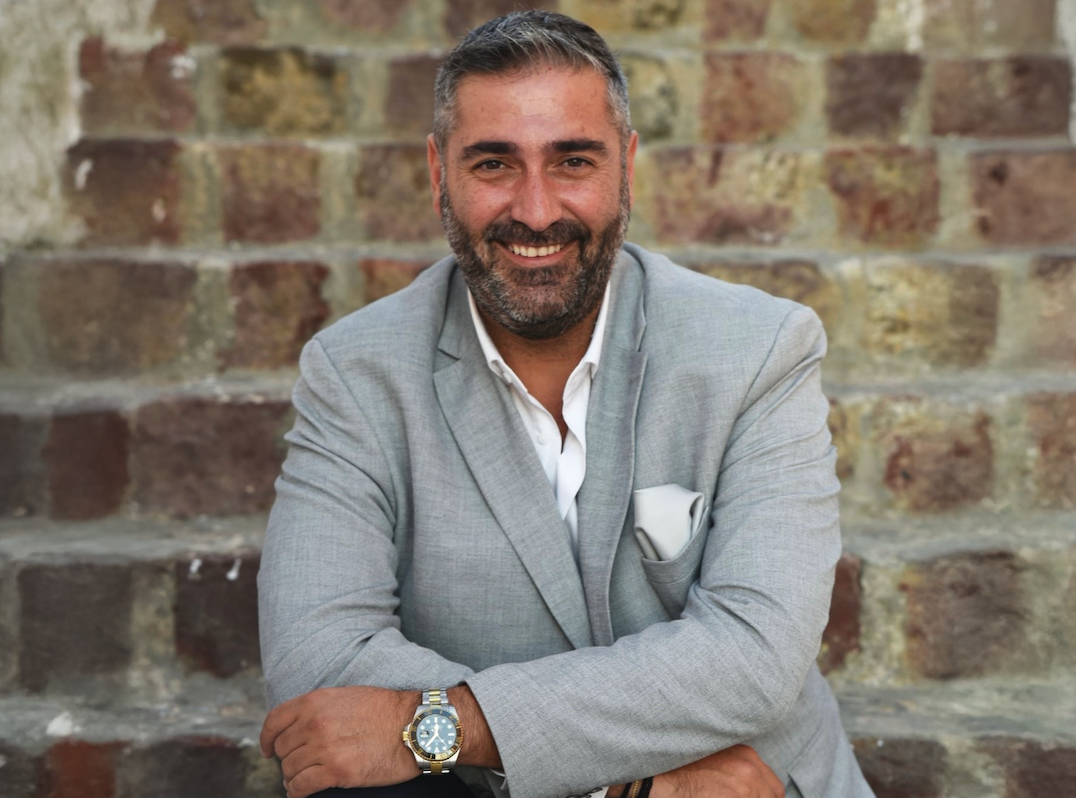
Written by Anastasios Konstantaros
Anastasios Konstantaros is a maritime tourism development expert and (PROTOUR is the Founder & CEO of BoatsAdvisor Hub & Events and serves as CEO of the Rhodes Tourism Promotion Organization & a special advisor on maritime tourism development for the Municipal Port Fund of the South Dodecanese. With long-standing experience in cruise, yachting and destination strategy, he actively contributes to shaping sustainable, data-driven and year-round tourism models for Greek and Mediterranean destinations.