



The end of the war in Ukraine, whenever and however it arrives, will not simply mark the conclusion of a military conflict but the beginning of a new geo-economic era. The balance that shaped Europe over the past thirty years, centered on cheap energy, open markets, and the interdependence of supply chains, has already been overturned. And in the likely scenario in which Russia retains the territories it has conquered through warfare, while Ukraine maintains its sovereignty over the remaining land, the divergence between the economies of Europe and the United States will become even more pronounced.
Europe enters this new period with structural disadvantages. The loss of Russian energy has left behind a permanent energy cost that disproportionately burdens European industries. The German economy, a pillar of Europe, relied for decades on a balance that combined cheap energy, strong industrial production, and open markets in Eastern Europe and Russia. This balance has now disappeared. Production costs have increased, export prospects have narrowed, and the industrial base faces the risk of gradual retreat, as companies consider relocating operations to regions with cheaper energy and a more predictable business environment.
This structural slowdown does not imply collapse, but rather an entry into a phase of low growth. Europe is called upon to finance energy, defense, and the reconstruction of a neighboring country without possessing the fiscal capacity of the United States and without access to the cheap resources it once enjoyed. The loss of supply chains, particularly in natural resources, metals, and energy, further burdens its productive model.
In contrast, the United States finds itself in an entirely different cycle. Its energy self-sufficiency, strong technological base, and large fiscal programs implemented in recent years create fertile ground for the revival of industrial production. At the same time, the U.S. is expected to play a leading role in the reconstruction of Ukraine, both through the public sector and through major American companies in technology, defense, infrastructure, and energy. Washington is already moving toward a long - term strategic relationship with Kyiv, seeking to incorporate Ukraine into the American sphere of influence, secure access to critical raw materials, and place American companies at the center of reconstruction projects.
In a hypothetical yet realistic scenario in which Ukraine remains divided, and Europe is committed to maintaining sanctions without the ability to access the territories controlled by Russia, the reconstruction of the Ukrainian regions administered by Kyiv will continue to be a field of enormous investment. Europe will have a political and institutional role through EU financing tools and the expectation of a future accession path for Ukraine. It may undertake major projects in sectors such as transport, infrastructure, agricultural technology, and digital governance.
But the United States will seek, and will likely secure, primacy in high value-added projects: defense installations, large-scale energy infrastructure, cybersecurity systems, mineral resources, and technological applications. Ukraine, for its part, will seek the strongest guarantor of security and stability, which gives the United States a significant negotiating advantage.
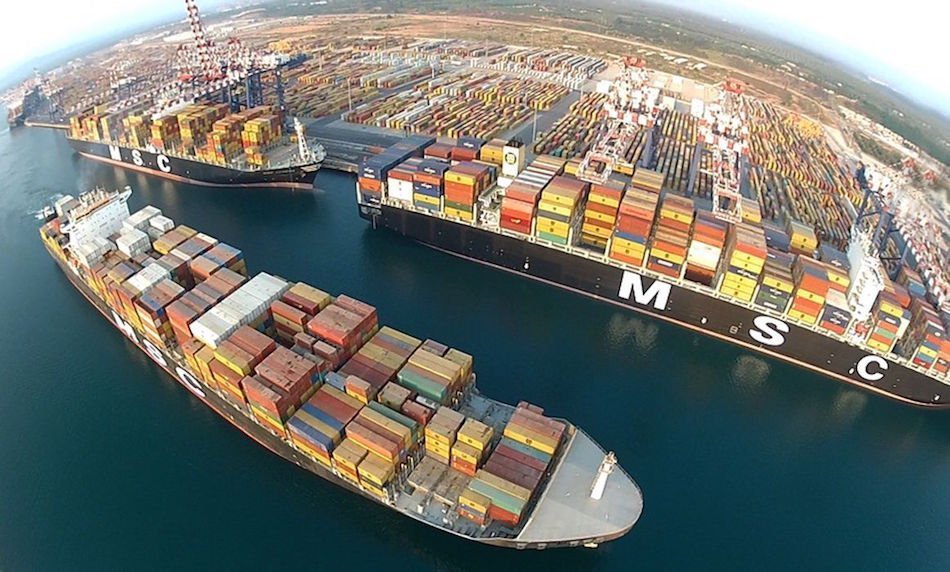
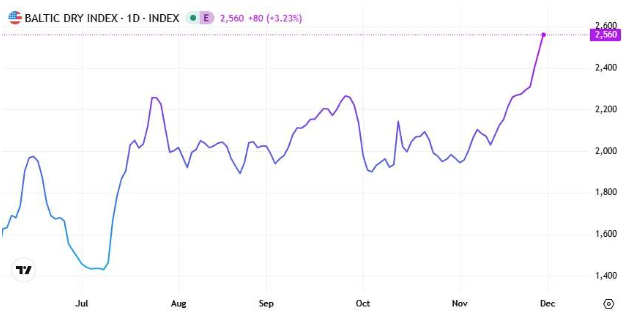
Within this environment, one of the major winners, often underestimated, is the shipping industry. The collapse of Europe’s previous energy architecture has led to a new era in which energy flows are longer, more complex, and more commercially demanding. LNG now comes from the United States, Qatar, and Africa, increasing distances and creating steady demand for LNG carriers. At the same time, the reconstruction of Ukraine will require the transport of vast quantities of steel, machinery, construction materials, and agricultural products. The ports of the Black Sea will acquire a new role, while traditional trade routes may shift due to geopolitical constraints and security needs.
Shipping benefits from the increase in distances, the reconfiguration of global flows, and the need for more complex supply chains. It is perhaps the only sector that strengthens under almost all scenarios, regardless of who captures the lion’s share of Ukrainian reconstruction.
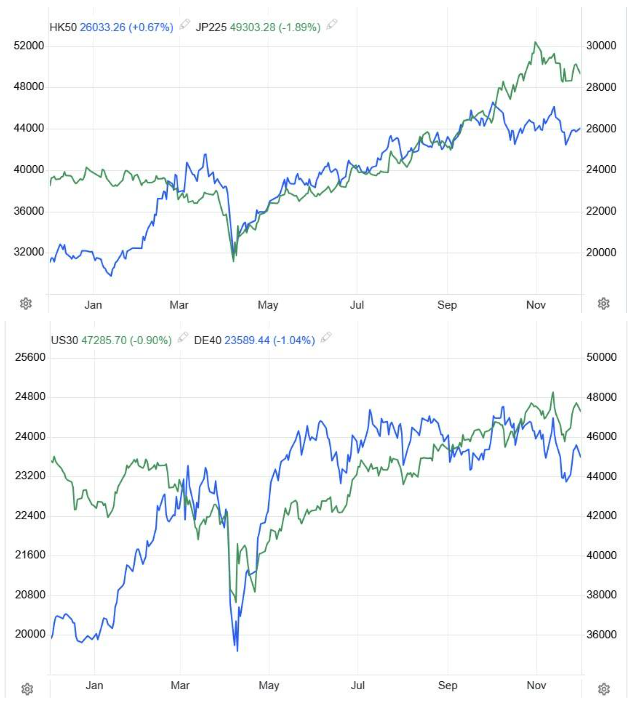
Overall, the new economic landscape shapes a reality in which the United States strengthens its position in industry, energy, and foreign policy, while Europe is called upon to seek a new development model and confront the challenge of low growth and high production costs. The reconstruction of Ukraine will become a field of competition between the two Western poles, with Europe retaining institutional weight but the United States possessing the entrepreneurial and technological dynamism.
The next decade will not be a period of convergence. It will be a period of divergence, new balances, and deep realignments. And in this geo-economic chessboard, Europe will need to move with greater strategic foresight if it wishes to maintain its role in a world where economic power is redistributed rapidly, and not always to its benefit.
The coming year will bring major changes at high speed; strategy must constantly monitor developments and adjust accordingly. The market will wait for no one. The new investment wave will begin the moment the Fed and geopolitics deliver the first clear signal. Those who are prepared will enter the new cycle of growth from a position of strength. The rest will be running behind the trend.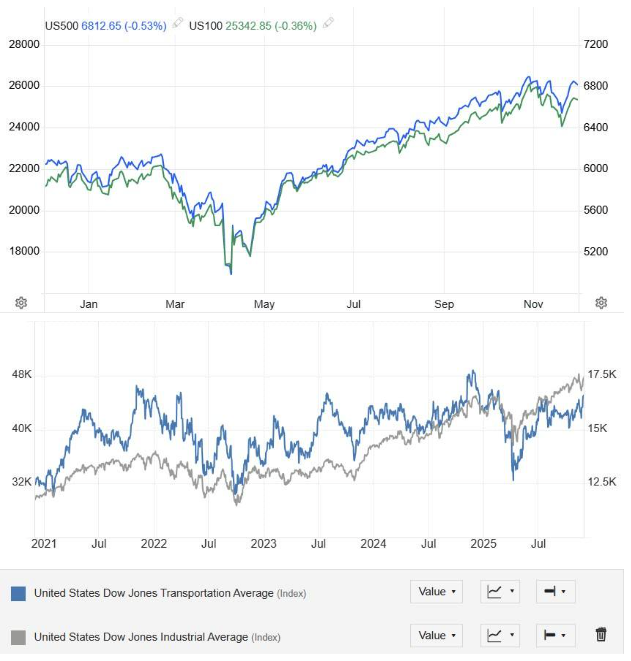
by Kotsiakis George