

From the Bridge to Industry Leadership
In the constantly evolving global shipping environment, where requirements for safety, technological adaptability, and operational excellence are growing exponentially, the personality and career path of Cpt. Panagis Tzortzatos stand out as an example of dedication and vision. His journey, which began at the Merchant Marine Academy of Kefalonia in 1981, outlines an impressive multi-decade trajectory that inextricably connects sea-going experience with leadership in maritime training.
For 15 full years, Cpt. Panagis Tzortzatos served on the front line, navigating the world's oceans (even Antarctica) on a wide range of vessels – from tankers and general cargo ships to bulk carriers and cruise ships. This multi-faceted experience onboard was not merely a career phase, but the ultimate school that shaped his professional philosophy. Through daily challenges, crisis management, and the demands of international voyages, a fundamental lesson became clear: the sea does not forgive half-measures. It requires highly trained personnel characterized by professional reliability, a deep passion for the seafaring profession, and a strong sense of duty.
These three pillars—reliability, passion, and duty—emerged as the sole constants capable of guaranteeing meaningful personal advancement and professional recognition for an officer. Returning ashore in 1999 to assume the role of Port Captain for a Greek-US cruise line, he transferred his bridge experience directly into shore-based management. Simultaneously, starting in 2001, his entry into maritime education as an instructor and later as Training Manager marked the beginning of a new chapter dedicated to passing these core values on to the next generation.
Founding Cosmos Nautical Training Centre: Quality First
Cpt. Panagis Tzortzatos' engagement in maritime training revealed a structural conflict within the sector. While his absolute priority was offering high-level, substantive training that provides seafarers with real tools for the bridge and engine room, the prevalent commercial mindset in private training centers often prioritized profitability and routine compliance over educational excellence.
Realizing that establishing a training model grounded in excellence and genuine knowledge required complete independence, he co-founded Cosmos Nautical Training Centre in Piraeus in 2007 along with esteemed maritime colleagues. Cosmos was not designed simply as a business enterprise, but as an institution serving the maritime community, where training quality is uncompromisingly placed above financial gain.
The shipping industry responded immediately. Within a few short years, Cosmos Nautical Training Centre rose to the top among private training centers, leading in both student volume and course offerings. However, for Cpt. Panagis Tzortzatos, the greatest achievement of this journey is not measured in numbers, but in the trust and prestige the institution built among seafarers and shipping companies.
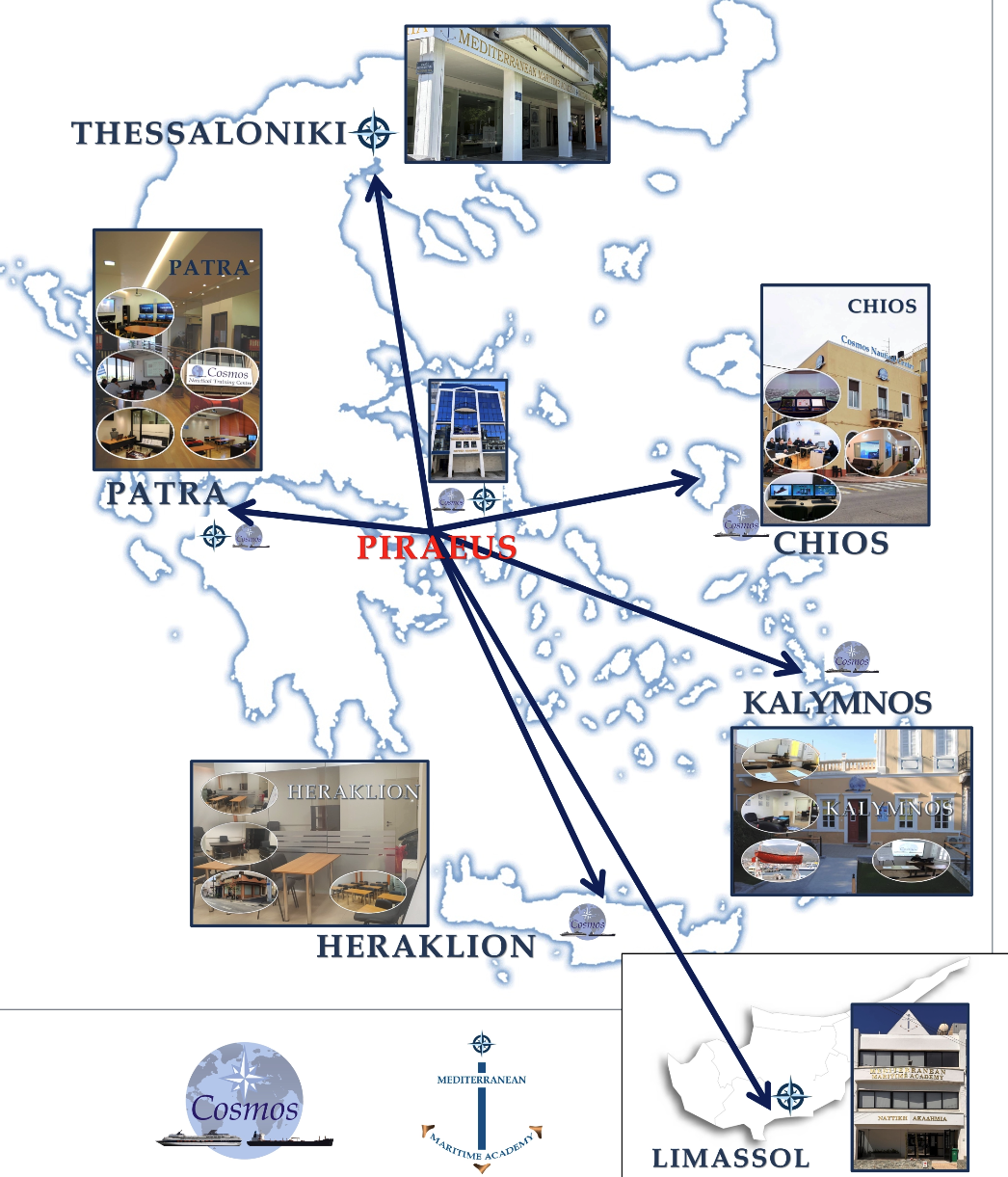
Furthermore, recognizing the unique demands on seafarers who wish to maximize their limited leave time with their families, Cosmos implemented an innovative decentralization initiative. By establishing regional branches in Chios, Kalymnos, Patras, and Crete, seafarers gained access to high-standard accredited programs in their home regions, eliminating the need for costly and time-consuming travel to Piraeus. This human-centric model stands as living proof of an organization that understands and respects the daily reality of the seafarer.
Establishing the Mediterranean Maritime Academy and Achieving International Recognition
The successful trajectory of Cosmos and its steadfast commitment to quality led to significant institutional partnerships. In 2013, following approval from the maritime authorities of the Republic of Cyprus, upgrading courses for obtaining Certificates of Competence for Masters, Chief Officers, Chief Engineers, and Second Engineers were introduced in Greece. To date, a large number of officers have entrusted their training and promotion through these programs, successfully serving on ocean-going vessels on Greek and international fleets.
In 2015, following developments in the global maritime industry, Cosmos Nautical Training Centre applied for and received accreditation from the Nautical Institute for the training and certification of Dynamic Positioning Operators, making a pioneering investment for the development of Greek seafarers' skills and opening doors for them to a new career perspective in the growing oil and gas extraction industry.
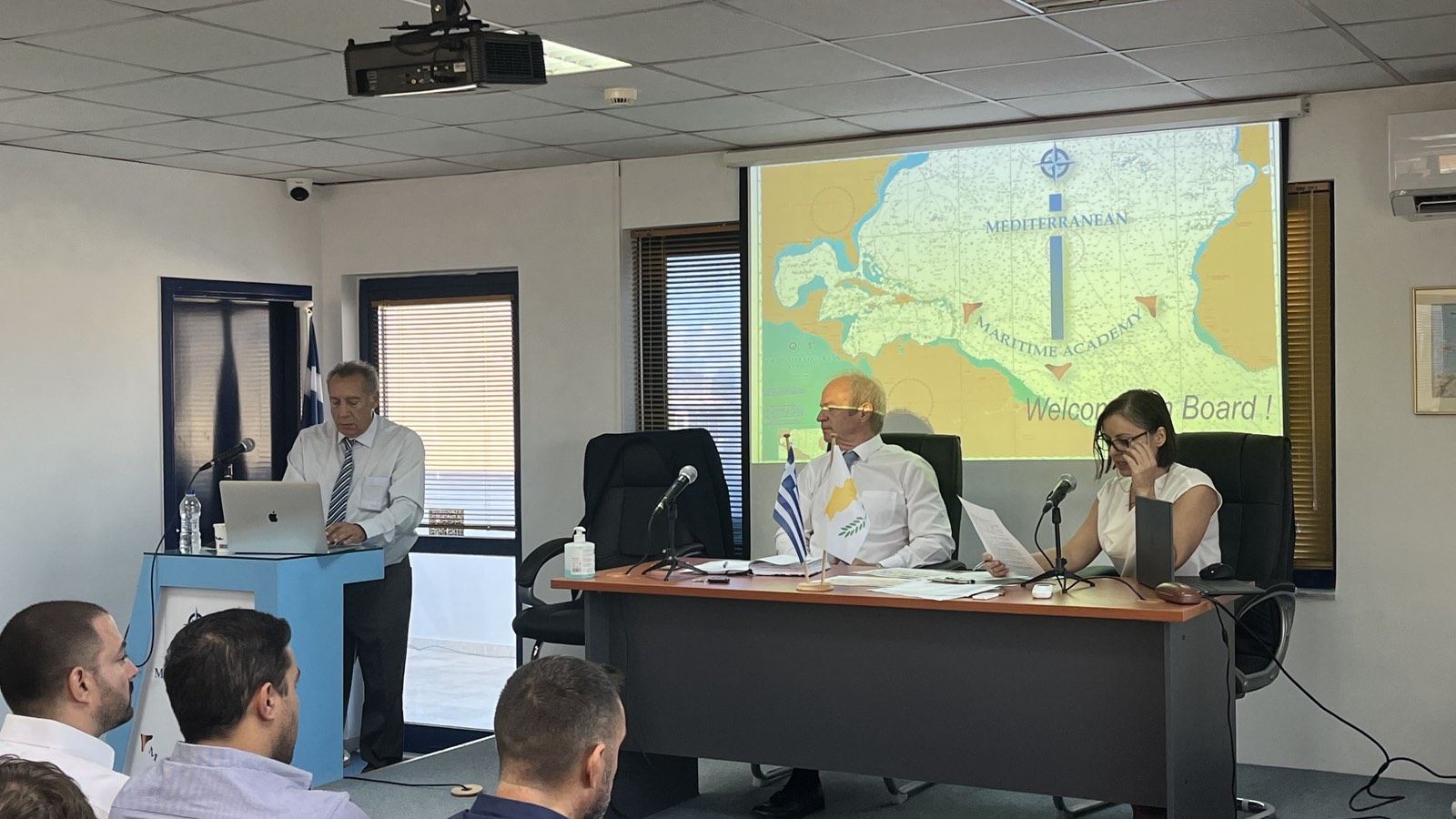
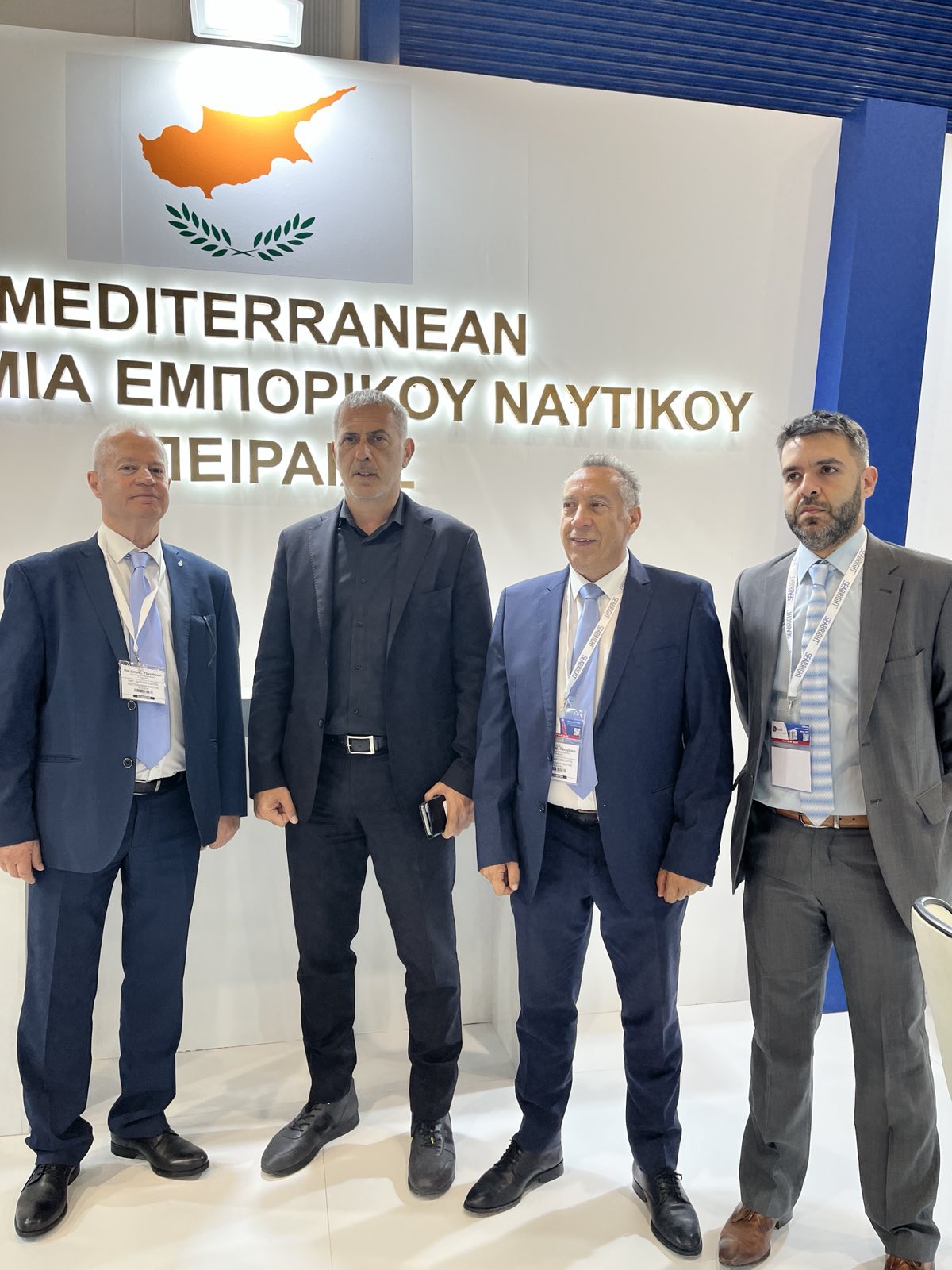
The next natural expansion took place in 2017 when, following an invitation from the Shipping Deputy Ministry of the Republic of Cyprus, the Mediterranean Maritime Training Centre was established for the first time in Cyprus. The Mediterranean Maritime Training Centre was established to provide comprehensive maritime education covering every stage of a seafarer’s career, from cadetship to senior officer ranks. At the same time, new skipper certificates were introduced for the Yacht industry.
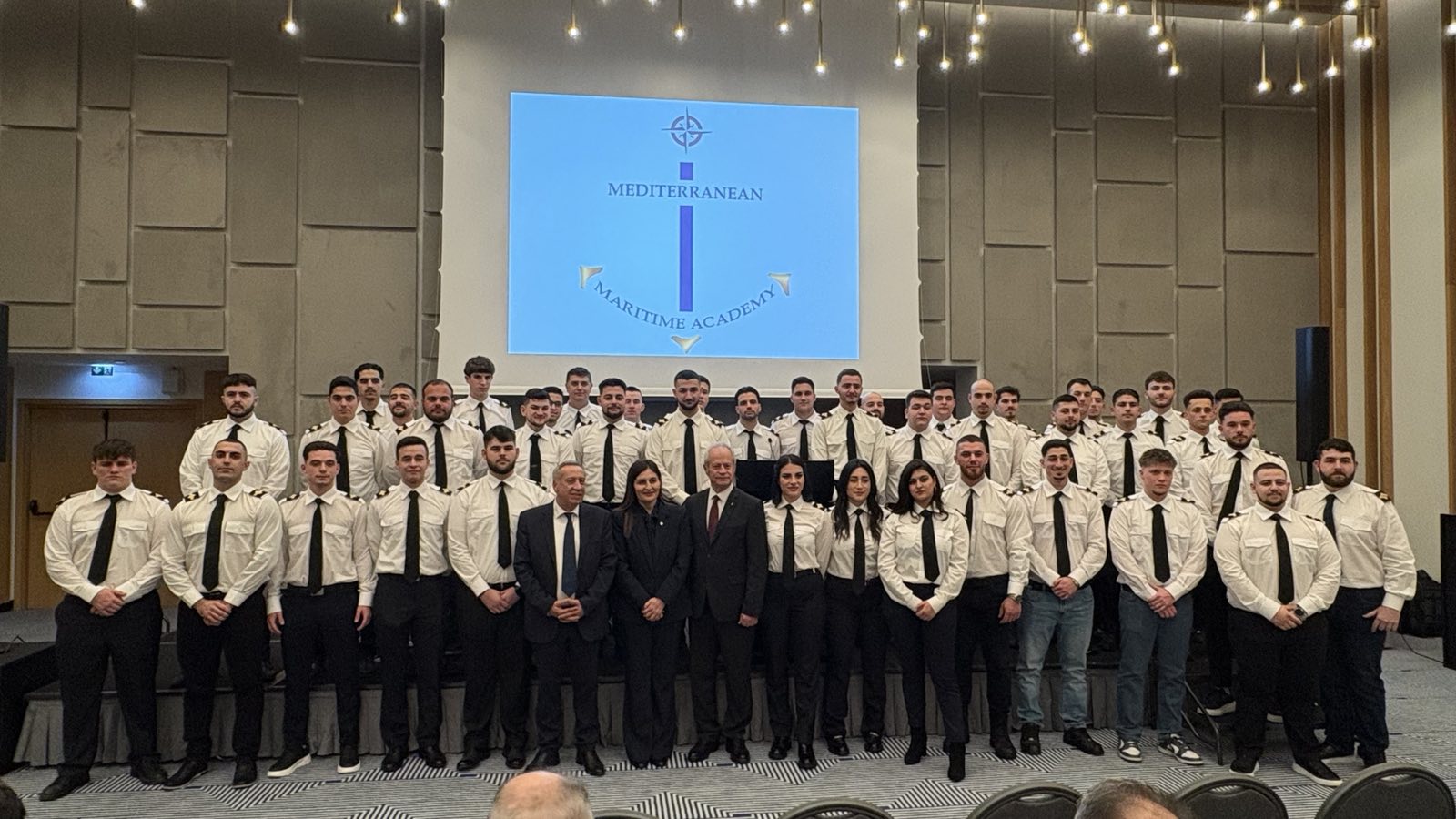
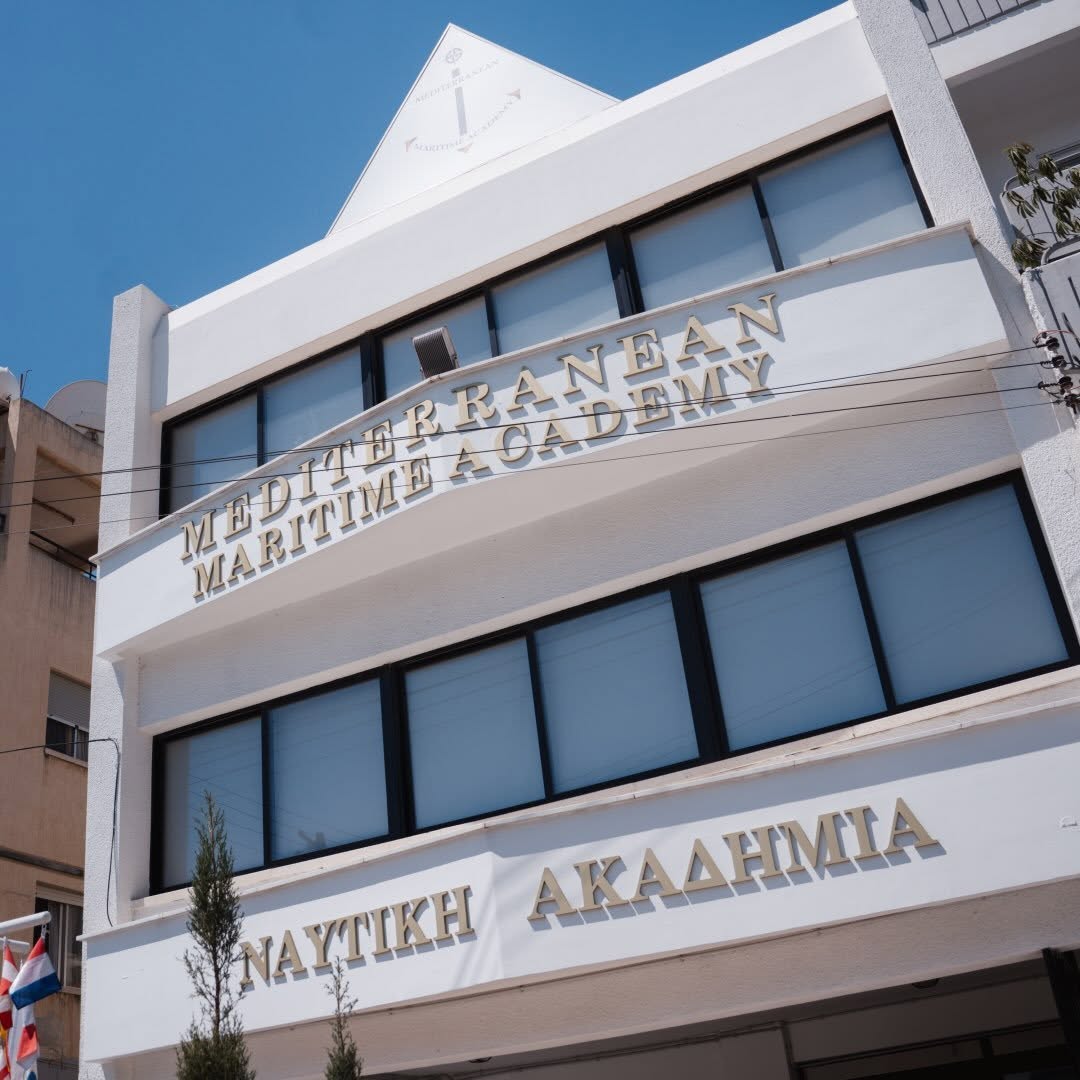
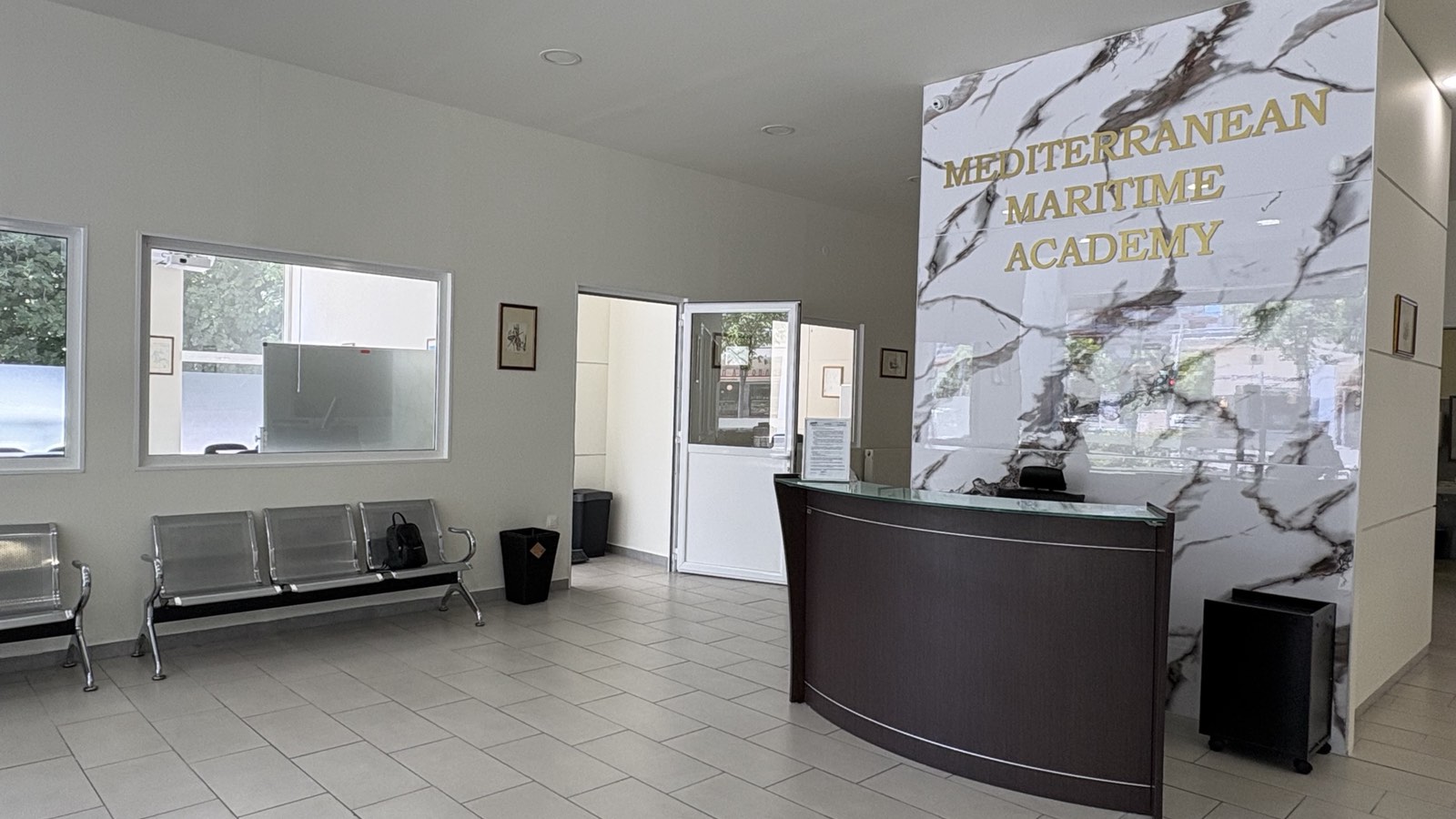
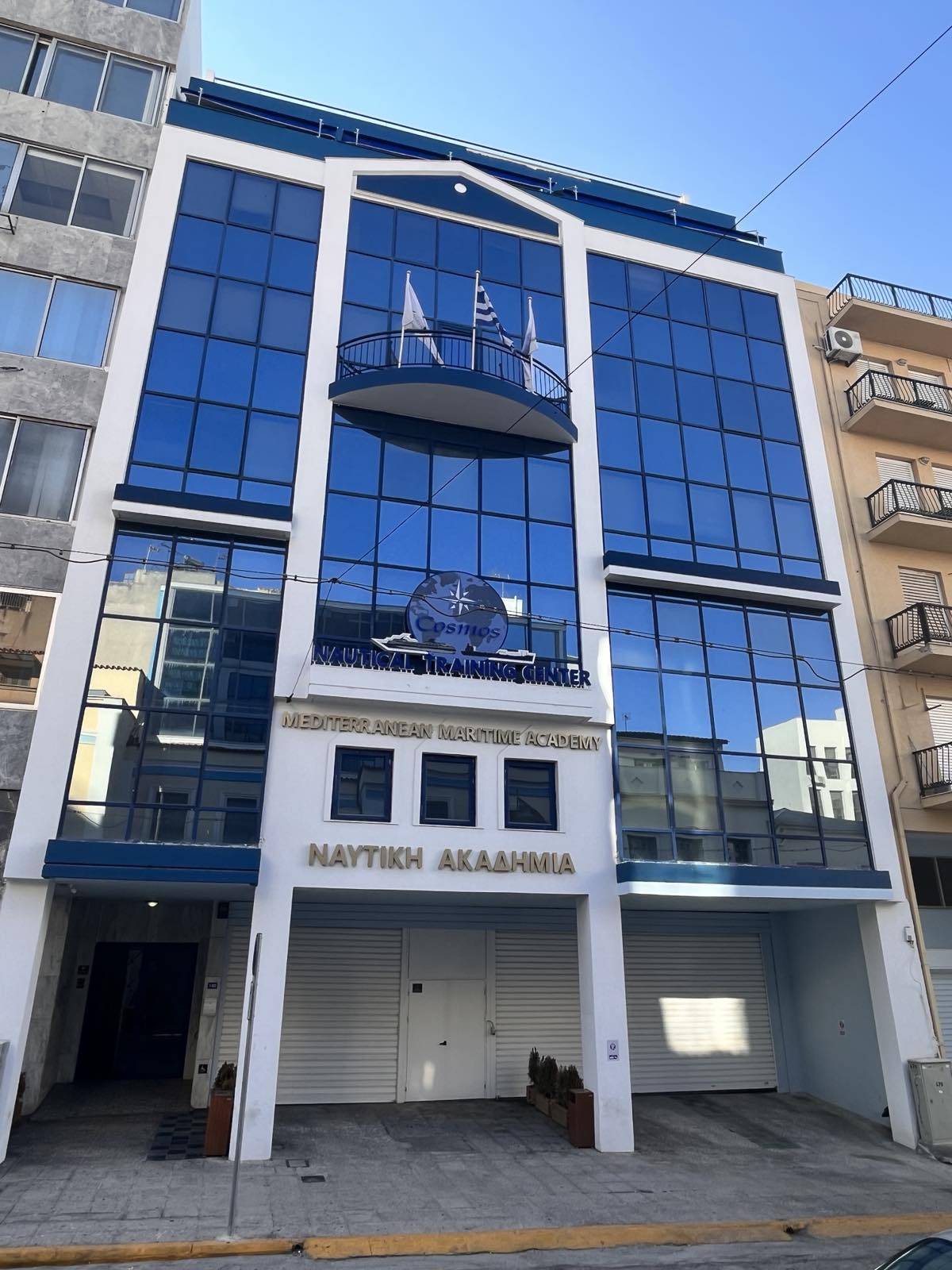
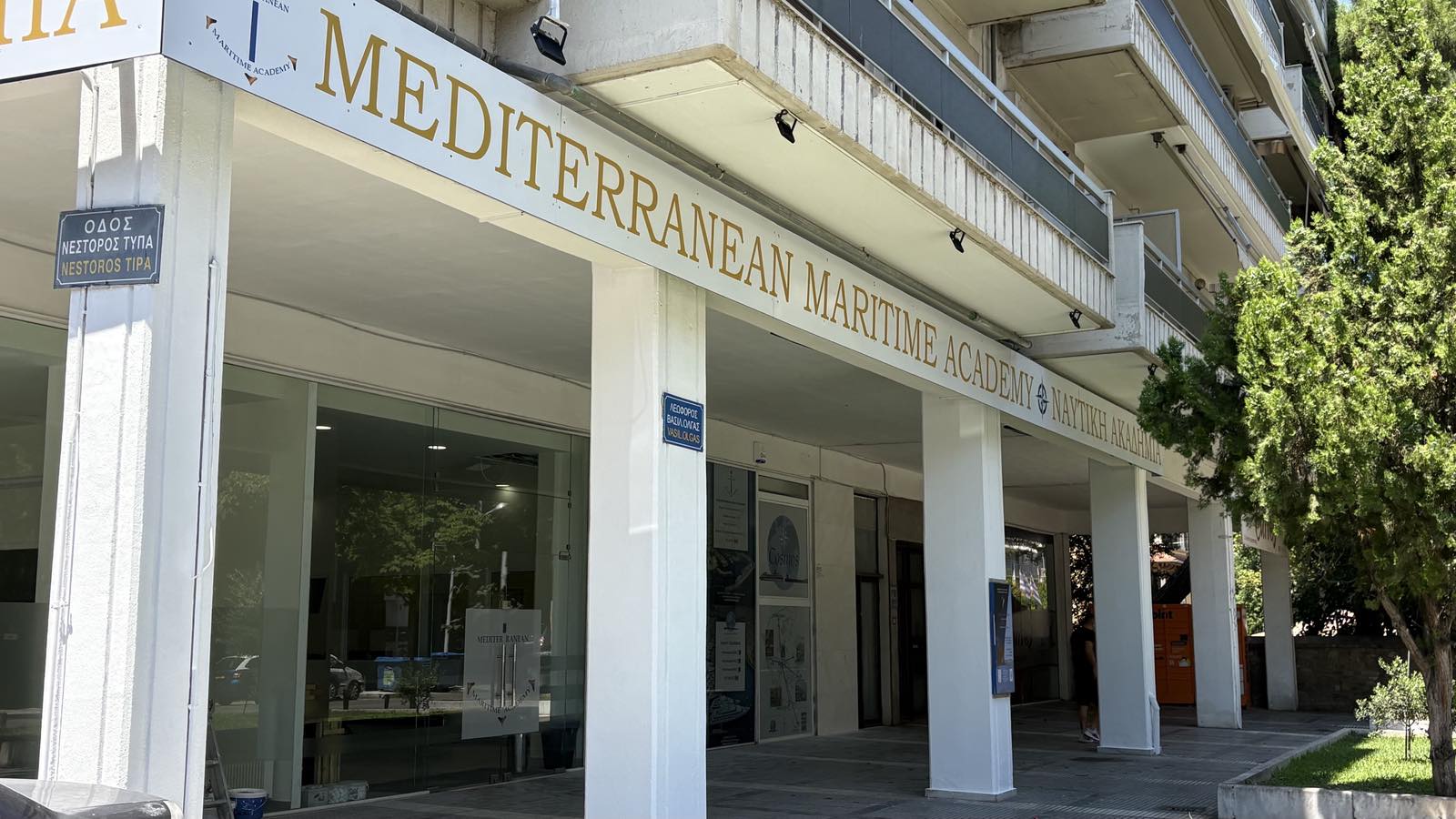
The demand and trust from Greek students led to the opening of a Piraeus branch, the Mediterranean Maritime Academy in 2022. From its very first year of operation in Greece, the branch secured the leading position among private maritime academies in terms of student enrollment. This success led to the establishment in the Summer of 2026, two new academy’s branches in Patras and Thessaloniki.
What sets the Academy apart is the combined strength of academic rigor, the practical expertise and the teaching staff composed of experienced captains, chief engineers, and specialized academic professionals, alongside with the educational synergy and the long experience of Cosmos Nautical Training Centre. The Academy delivers internationally recognized certification recognized by all Flag Administrations and leading Global Maritime bodies. Graduates acquire not just formal qualifications, but a professional mindset shaped within an environment that fosters responsibility and maritime safety awareness.
The Future of Maritime Training in the New Technological Era
The continuous growth of global seaborne trade and the rapid integration of advanced technologies on modern ships present a new landscape for the maritime industry. As Cpt. Panagis Tzortzatos emphasizes, the demand for well-trained and technically proficient officers is more critical today than ever. Meanwhile, the modernization of fleets with state-of-the-art, technologically sophisticated vessels, offer the younger generation a secure Career path, financial independence, and rapid professional growth.
In this new era, maritime education must keep up with the industry developments. Modern technology provides the capability to simulate real bridge, engine room (for various engine types, including the latest Dual Fuel Diesel Electric and X-DF engines), telecommunication, electronic chart and liquid cargo handling operations with high realism. Through state-of-the-art simulation systems, trainees at Cosmos and the Mediterranean Maritime Academy master essential hard skills—technical knowledge, system operations, and regulatory compliance—while systematically cultivating vital soft skills (leadership, teamwork, communication, situational awareness, et al.).
Reinforcing its dedication to delivering excellence in maritime education, Cosmos Nautical Training Centre further invested in advanced technology in 2026, equipping its centers in Greece and Cyprus with the latest generation of bridge simulators.
At the same time, the imperative drive toward maritime decarbonization and the transition to green technologies introduce unprecedented requirements for seafarer training. The adoption of alternative fuels (such as ammonia, methanol, and hydrogen), advanced propulsion systems, and stringent international environmental regulations demand specialized knowledge in safety and environmental management. In response, Cosmos Nautical Training Centre and the Mediterranean Maritime Academy are actively enhancing their curriculum, ensuring that officers not only master the technical complexities of eco-friendly operations but also foster a strong environmental consciousness essential for navigating the sustainable fleet of tomorrow.
Critical thinking, high-pressure decision-making, leadership, and effective team communication are tested and forged within simulator environments before an officer begins to serve onboard. Training transitions from theoretical memorization into an immersive, practical experience.
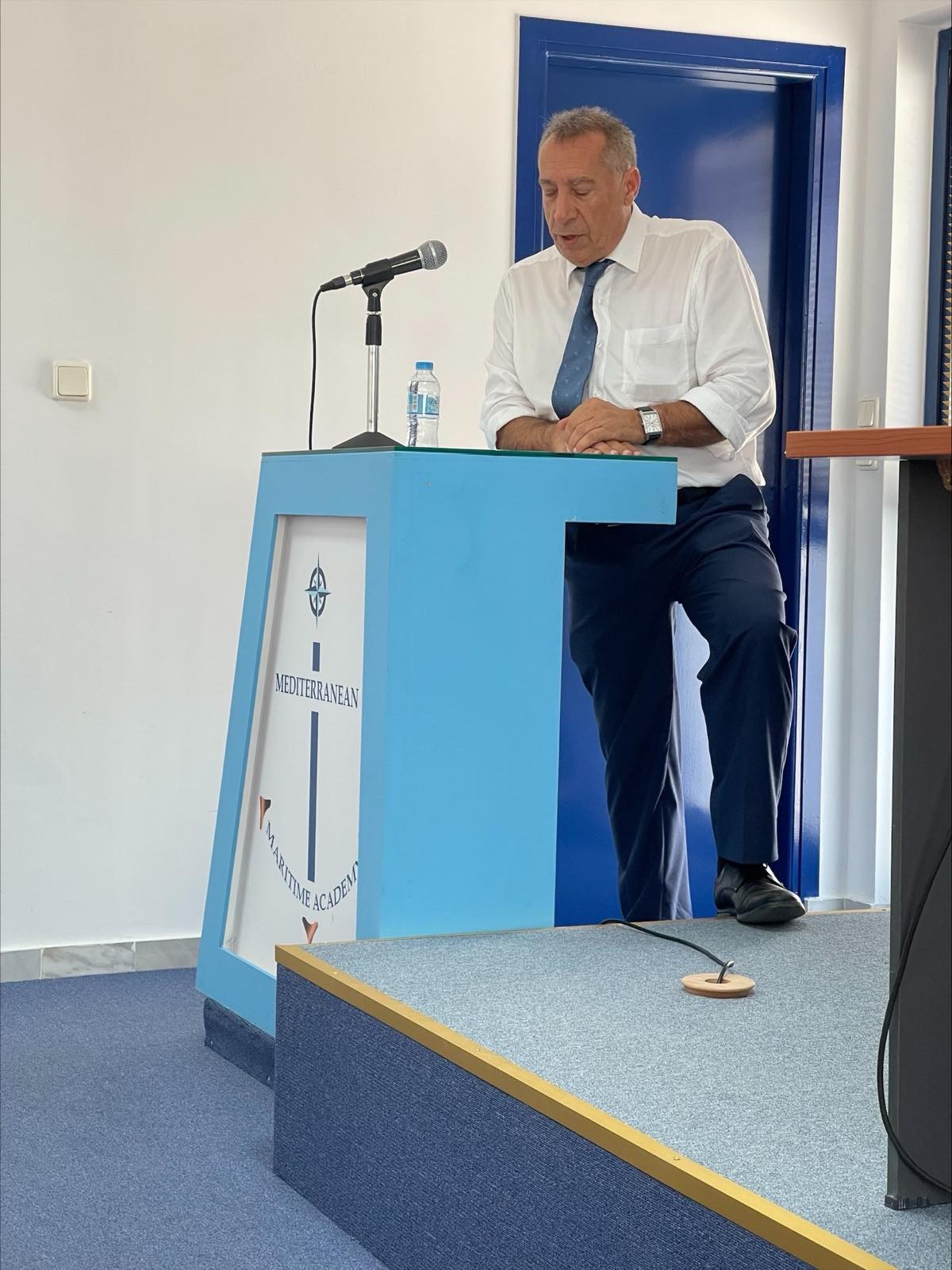
Looking ahead, Cpt. Panagis Tzortzatos remains dedicated to his founding vision: preserving excellence in maritime training and supporting the human element that forms the core of global shipping. Supported by multi-year sea experience, strategic foresight, and a deep sense of responsibility toward future officers, he continues to train tomorrow's maritime leaders—proving that long-term professional success always stems from unwavering commitment to the core values of the seafaring tradition.
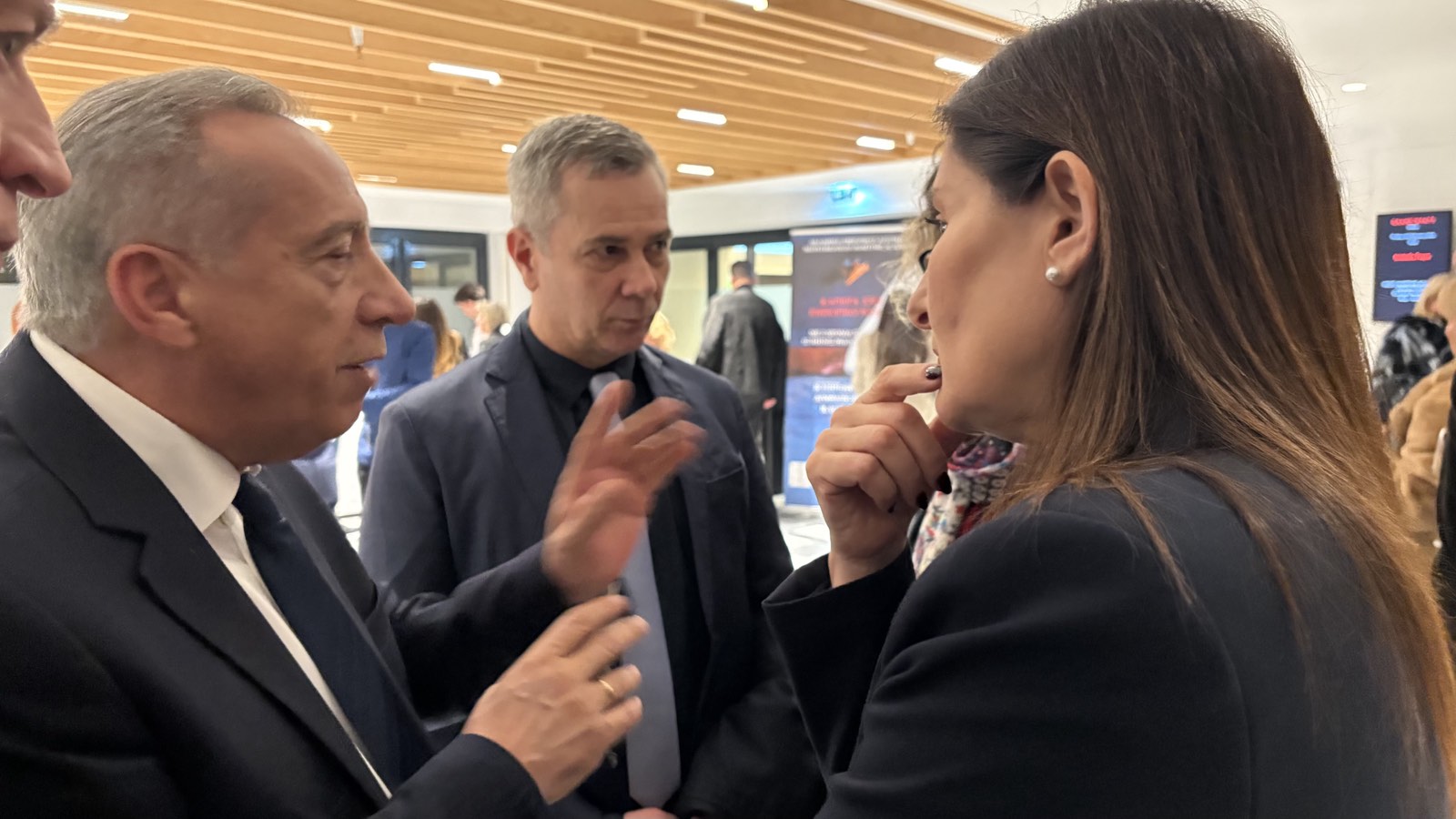
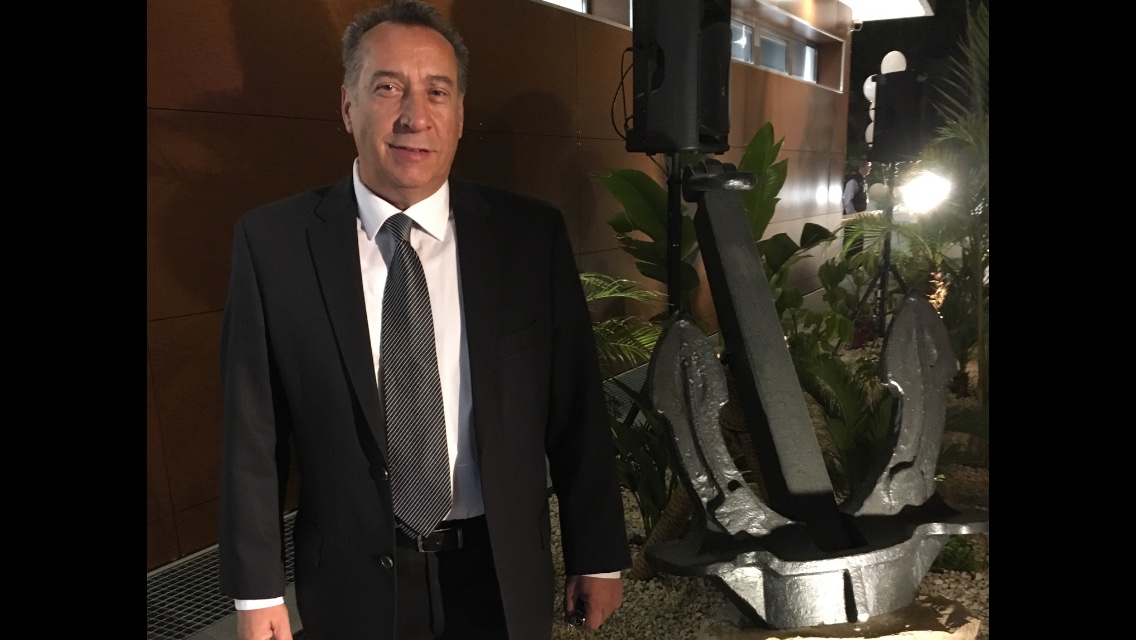
Cpt. Panagis Tzortzatos - Cosmos Nautical Training Centre & Mediterranean Maritime Academy
Typography
- Smaller Small Medium Big Bigger
- Default Helvetica Segoe Georgia Times
- Reading Mode