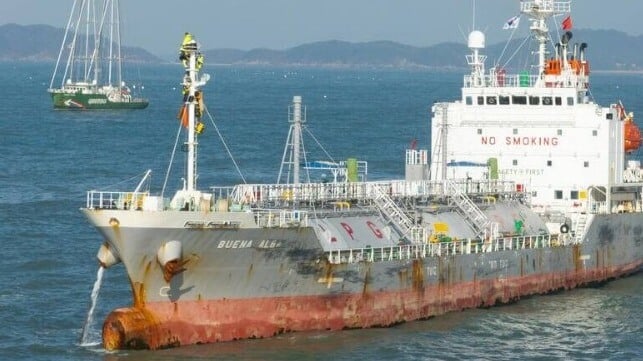



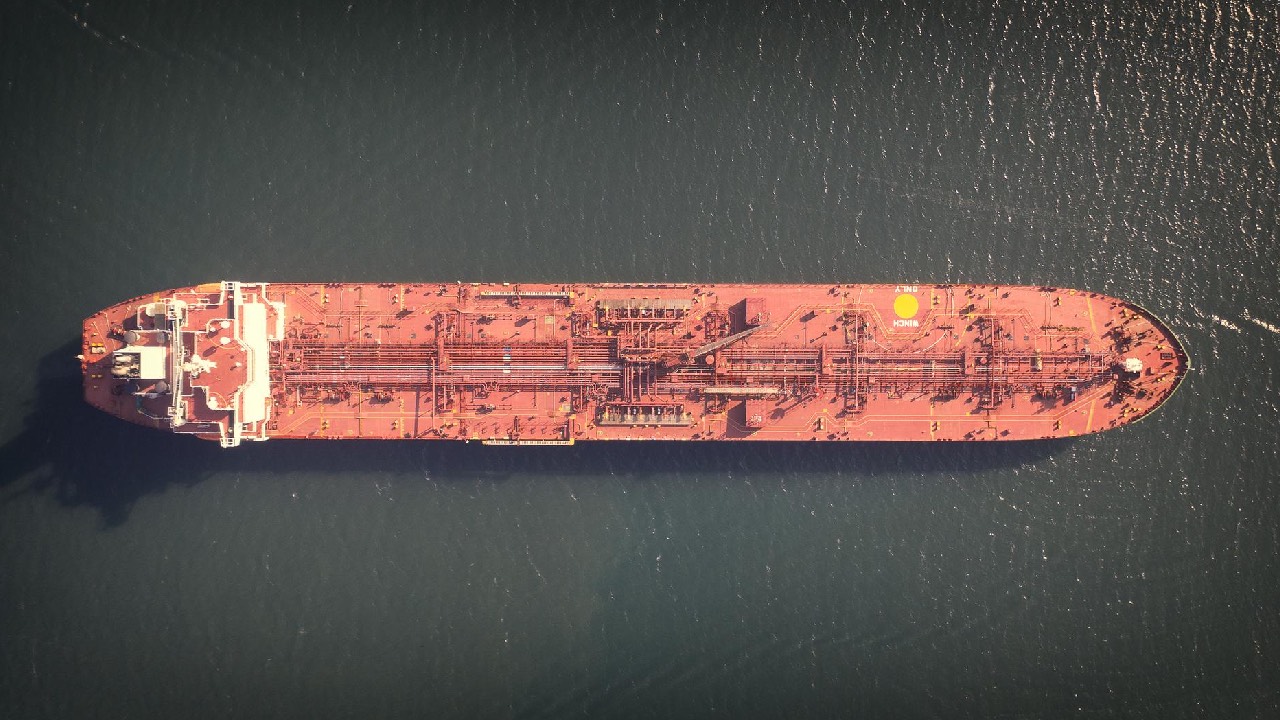
Potential redirection of Venezuelan crude oil exports could boost already high tanker rates in the near to medium term due to a shift to the mainstream fleet from shadow tankers, Fitch Ratings says. Any shift in the transportation of Iranian oil from the shadow fleet to mainstream tankers remains an upside risk. Key downside risks to tanker rates include the resumption of transit through the Suez Canal and weakening global economic growth.
Venezuela produced about 0.8% of global crude oil in November 2025 and accounted for about 1% of global seaborne crude oil transportation, most of which was shipped to China. The arrangement with the US implies seaborne Venezuelan transportation will start to switch to mainstream tankers. We believe global oil volumes are unlikely to change quickly as any significant increase in Venezuelan oil production and in turn transportation will take quite a long time.
However, oil tanker shipping will likely be affected by changes in tonne-miles and the potential shift from shadow to mainstream tankers. Some of the oil displaced by Venezuelan crude (potentially from other LatAm countries or Canada) would still need to be transported by tankers, most likely to China, which would be positive for rates.
This redirection of Venezuelan oil would be supportive for medium-sized tankers, while any increase in shipments to China from alternative regions such as the Middle East will support demand for very large crude carriers (VLCCs). This assumes that a sizeable portion of Venezuelan-China oil shipping has been via the shadow fleet and would shift to mainstream tankers.
Iran produces and exports significantly more oil (nearly 5% of global seaborne crude oil transportation) than Venezuela. As with Venezuela, changes that shift oil transportation away from the shadow fleet further support demand for mainstream tankers, but this remains an event risk. However, export disruptions during periods of political instability could reduce transported volumes, although Iran is under sanctions and mostly uses the shadow fleet.
Tanker rates have already benefitted from recent geopolitical developments. VLCC one-year time charter rates increased to over USD60,000/day in December and are materially higher than during most of 2025. Suezmax rates have been high at over USD45,000/day since November 2025. Rates have remained significantly above long-term averages since the increase in tonne-mile demand driven by Russia’s war in Ukraine. Volatility linked to geopolitical flashpoints, including in Venezuela and Iran, will likely lead to oil buyers diversifying their sources, further supporting tonne-miles and the earnings of tanker owners and operators.
The resumption of transit through the Suez Canal is the key risk for global freight rates across shipping segments, including tanker and container shipping. Most containership operators that ceased transits are being cautious and shifting back only gradually. For tanker shipping, normalisation of these transits could more than offset any benefit from the redirection of Venezuelan oil.
Other factors that could support demand for mainstream tankers and rates include a potential reduction in Russian crude oil exports, or a shift from the shadow fleet to mainstream tankers, resulting in higher demand for the mainstream fleet; oil demand growth driven by increases in inventories and floating storage, which could arise from supply disruptions and lower oil prices; and further unwinding of OPEC+ production cuts (currently about 3.2 million barrels per day), which are paused due to market oversupply.
Seaborne oil trade increased in 2025 due to production growth from OPEC+ and non-OPEC suppliers, leading to a supply increase of about 3% in 2025, with similar growth likely in 2026. The rise in tonne-miles related to oil exports from Russia and the Red Sea disruption has kept overall demand for tankers high since 2022.
Source: Fitch Ratings