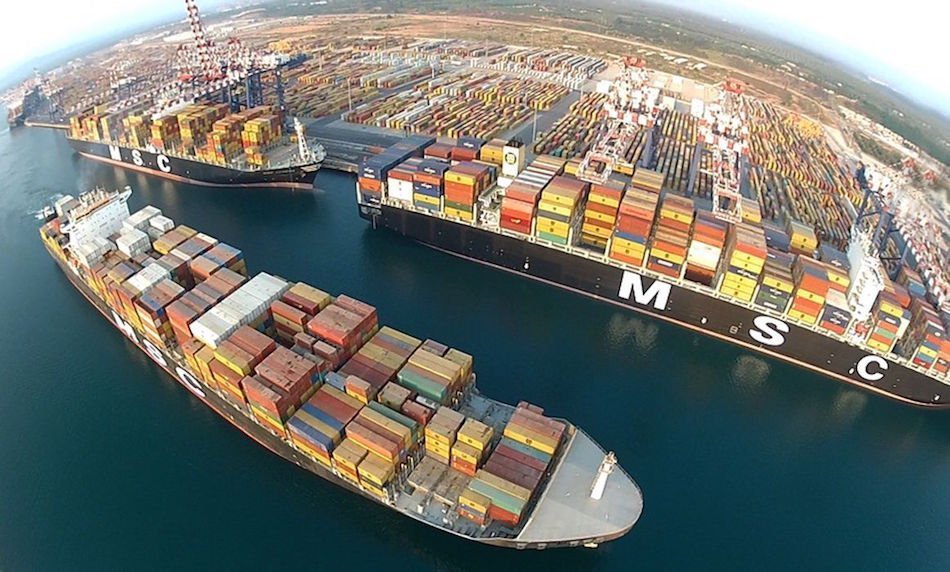



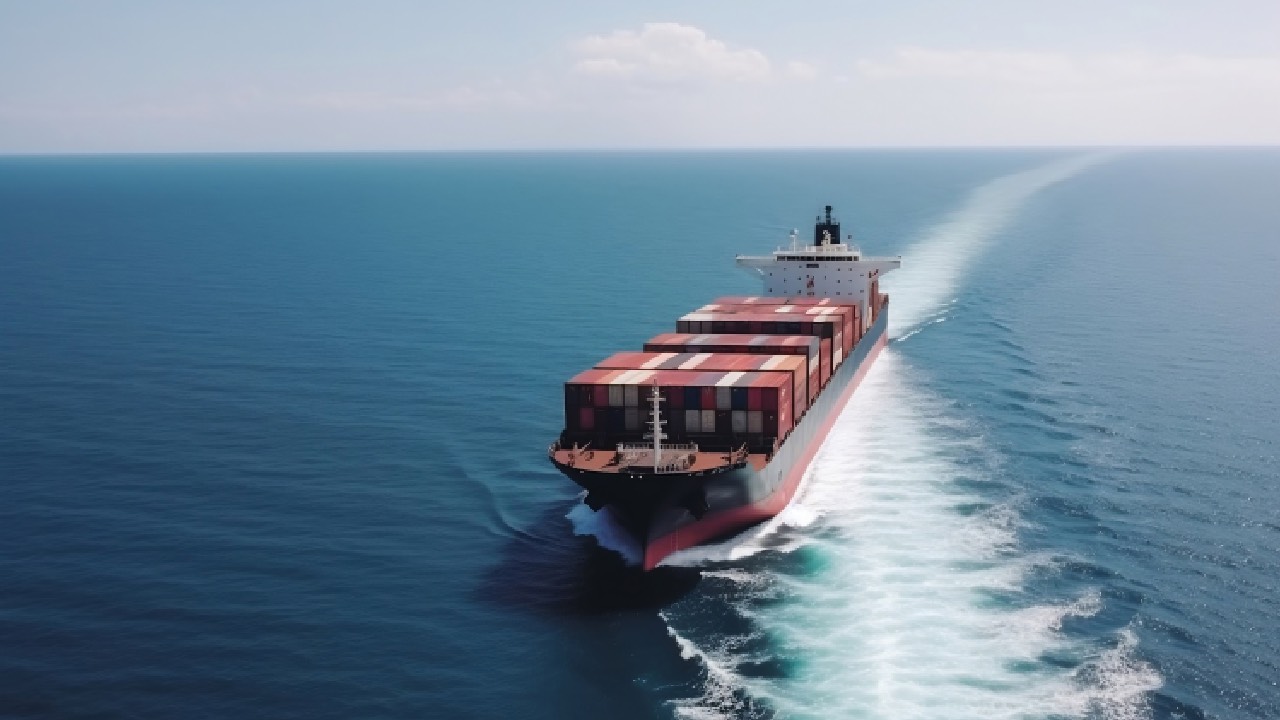
Global container capacity could surge by year’s end as speculation about a return of commercial shipping to the Suez Canal increases, but the change could lead to congested ports and trade lane disruptions that could pressure prices higher.
Most commercial shipping stopped using the Suez Canal just more than two years ago because of missile and drone attacks from Yemen-backed Houthi rebels, who were attacking vessels affiliated with Israel.
Longer sailing distances around the Cape of Good Hope are currently absorbing around 2 million TEU (20-foot equivalent units) of global container shipping capacity and increasing the transport demands on the fleet.
Amid a ceasefire between Israel and Hamas, the Houthis said in an undated letter to Hamas’s al-Qassam Brigades published online by the group in November 2025 that they were pausing their attacks but threatened to resume them if Israel broke the ceasefire.
A large-scale return to the Red Sea would reduce the transport work required of the fleet and potentially cause freight rates to plummet – unless carriers take drastic measures, such as idling, demolition, slow-steaming and widespread blank sailings, Sand said.
FULL SCALE RETURN NOT EXPECTED IN NEAR TERM
Market intelligence group Linerlytica does not expect a full-scale return to the canal in the near term.
“No full-scale return to the Suez is expected in the next two months despite the statement from the Suez Canal Authority on 25 November that Maersk will send their ships back to the Suez Canal in early December,” Linerlytica said. “Neither Maersk nor its Gemini Cooperation partner Hapag-Lloyd are scheduled to return any of their ships to the Suez next month.”
Linerlytica said CMA CGM remains the only main carrier to test the early return to the Suez, with three of its Asia-Europe and Mediterranean services set to resume eastbound voyages from the end of December.
Peter Sand, chief analyst at ocean and freight rate analytics firm Xeneta, said carriers are keen on returning to the Suz Canal, but must remain cautious.
“There is ongoing speculation of a largescale return of container ships to the Red Sea, but the situation remains fragile,” Sand said. “Carriers will continue to test the water – particularly on backhaul services with less cargo and therefore lower liability – but insurance remains a major stumbling block when ships are still sailing through an area designated as high risk.”
Source: ICIS